






Counselling at the Agora Clinic
All patients at the Agora are offered specialist independent fertility counselling before, during and after treatment.
Our counsellors can be contacted directly using their details below.
Having treatment for fertility problems can cause difficult and often painful emotions for those involved. These feelings can be difficult to control and can cause enormous emotional, physical or financial stress.
Being unable to have a child naturally, the fear of never being able to conceive, or a sense of bereavement if you have had a miscarriage, can make you feel that your whole future and sense of purpose is being threatened or on hold, or that you have ‘failed’. Relationships sometimes become strained, often because each partner is dealing with the situation differently. Although this is very normal, it can cause people to feel confused and isolated.
All patients at the Agora are offered specialist independent fertility counselling before, during and after treatment. The fertility counsellor is available to help you talk openly about your feelings and provide guidance and advice as needed. Anything you discuss with the counsellor will be treated as strictly confidential and will not affect your treatment.
For women or couples who are considering having treatment with donor eggs or donor sperm, it is particularly important to have counselling so that you can explore all the implications, both for you and your child. Counselling can provide you with time and a quiet space where you can explore and consider the things that are worrying you.
The Agora Counsellors
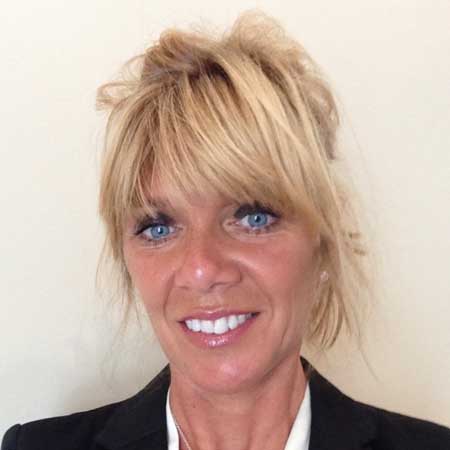
Vicky Parkin
Vicky is a specialist infertility counsellor. She trained as a general counsellor and is a member of the BACP.
After completing her training she undertook additional learning to specialise in infertility and is an accredited member of BICA (British Infertility Counselling Association). She is also on the BICA executive committee.
Vicky feels counselling can be seen as a scary word – some people think feel it implies they can’t cope – this she feels couldn’t be further from the truth. She prefers to think of it as support at a very difficult time, her own personal journey taught her just how helpful this type of help can be.
She believes the diagnosis of infertility can often feel like a life crisis. It may be very difficult to come to terms with and it is completely normal to experience feelings of distress, loss, grief, anxiety, sadness, isolation and frustration. Vicky feels all these feelings can be overwhelming and difficult to deal with.
Infertility can affect all your relationships – including the relationship with you partner, with relatives, friends and even colleagues at work. Additionally your self-esteem and sexual relationships may take a battering.
Malcolm Scott
Malcolm is an experienced, registered clinical psychotherapist, accredited counsellor, and accredited member of BICA (British Infertility Counselling Association). Malcom is a partner at 198 Church Road: a counselling, psychotherapy and well-being clinic in central Hove.
He is also a group facilitator for post graduate counselling training at Brighton University and has a Certificate in Working with Couples accredited by the College of Sexual and Relationship Therapists (COSRT).
Malcolm has been seeing Agora patients for a number of years, and so, has a comprehensive understanding of what it’s like to cope with the many challenges that often arise from infertility and its associated issues.
He offers both couple and individual counselling and has been a great resource for some of our patients who have been diagnosed with male factor infertility or azoospermia.
Malcolm sees clients at 198 Church Road and also offers Zoom video consultation.
Malcolm’s qualifications:
- BSc (Hons). PG Dip. MSc. MBACP (Accred), MUPCA (Accred), AMBICA.
- UKCP Registered Clinical Psychotherapist, BACP Accredited Counsellor

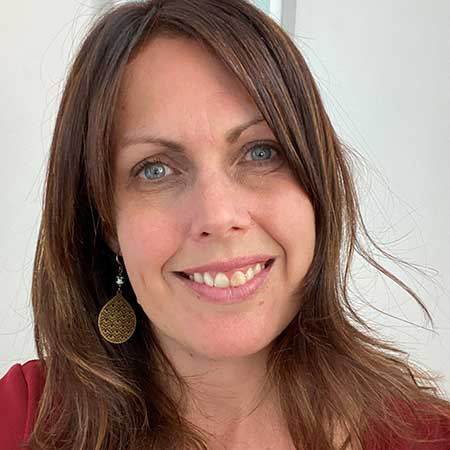
Zoe Boylan
Zoe is an Integrative Counsellor registered with the BACP ( British Association of Counselling and Psychotherapy), living in Brighton and working across Sussex. As well as working in general practice, she specialises in Infertility Counselling, and has previously run Fertility Network UK Support groups in London, and setup a support group in Sussex.
Experiencing Infertility and going through treatment, can evoke a whole range of emotions, including sadness, grief, anger, depression and anxiety, which can be incredibly challenging whilst getting on with day to day life.
Zoe works with kindness and compassion, seeking to provide a confidential non-judgemental space for clients to explore their experience of Infertility and/or going through fertility treatment, and the whole range of emotions that accompany this.
Zoe continually seeks to expand her understanding and challenge stereotypes to provide a safe therapeutic space for all family types, being LGBQT+ affirmative in her approach. She draws a lot from the incredible community organisations in Brighton, and seeks to continually expand her understanding of different marginalised groups, be that race, ethnicity, age, gender or sexuality.
Zoe also works from a trauma informed approach, and often brings creativity into the therapy room.
Counselling is vital, it gives you a confidential safe space and some support during what may be a very difficult time; and can often be a great stress reliever, which, of course, can only help during a treatment cycle.
It can be quite practical, looking at strategies that can be put in place to cope with a treatment cycle, things that will make it more manageable, including making a plan for the infamous two week wait.
Men and women often deal with fertility issues very differently, it seems to her that women often feel very isolated and have a great need to talk about “things” again and again. It’s a way of coming to terms with what is happening and a way of processing information.
Counselling can provide the support to enable this to happen. Men on the other hand seem to like to talk about something briefly and find it hard to understand why this rather painful “thing” needs to be discussed again and again. This is of course a huge generalisation and each person is different – there is no right or wrong way of coping!
Counselling can be a way of acknowledging you have different needs and getting the support that is right for you.




Fertility Counselling – Frequently Asked Questions
What does counselling involve?
A fertility counsellor is available to help you talk openly about your feelings and provide guidance and advice as needed. Anything you discuss will be treated as strictly confidential and will not affect your treatment. Counsellors are not there to judge you or give advice. What they do provide is a secure environment in which to talk about your feelings.
How can counselling help?
Having treatment for fertility problems can cause difficult and often painful emotions for those involved. Being unable to have a child naturally, the fear of never being able to conceive, or a sense of bereavement if you have had a miscarriage, can make you feel that your sense of purpose is being threatened, that your future is on hold, or that you have ‘failed’. Relationships sometimes become strained, often because each partner is dealing with the situation differently. Although this is very normal, it can cause people to feel confused and isolated.
The process of counselling enables you, either individually or as a couple, to explore your thoughts, feelings, and beliefs in a safe, non-judgmental space. You may decide to make changes to your life, or come to terms with things that cannot be changed. Often it is easier to make decisions about your situation when you talk to someone who isn’t directly involved.
Who can it help?
Counselling may be helpful if you are uncertain at any stage about the options open to you. This may include making decisions about continuing or postponing treatment, using donated eggs or sperm, or long term freezing and storage.
Other issues for counselling include the implications of treatment, the needs and welfare of a future child and those of any siblings, as well as the legal, moral and ethical issues that may concern some people.
In addition, there are likely to be times when important decisions have to be made, including withdrawing from any further treatment. Not everyone who starts treatment will become pregnant and deciding when to stop is not easy, particularly when there appears to be no clear reason for the lack of success.
For some individuals, letting go and moving on can bring a profound sense of relief but for others the experience may be traumatic. Our experienced counsellor can support you through this period of grief and major emotional adjustment, and will be able to explore alternatives with you when you feel ready to do so.
What types of counselling are available?
The importance of counselling is recognised by the Human Fertilisation and Embryology Authority (HFEA), which has ruled that by law that counselling must be available at every licensed treatment centre. It states in their code of practice that counselling should be clearly distinguished from the giving of information and should consist of three types:
– Implication Counselling
To enable individuals to understand the implications of any proposed treatment/course of action for themselves, their family and any children born as a result
– Support counselling
To give emotional support at times of particular stress, such as when there is a failure to become pregnant • Therapeutic counselling
To help individuals cope with the consequences of infertility and treatment and resolve any problems these may cause.
Will the counsellor be able to give me information about my treatment?
Any medical advice or information is always given by our team of doctors and fertility nurses. However, our counsellor can offer you vital support in making the right choices, while offering you emotional support. Our Counsellor works independently of the Agora and anything you say will be treated in the strictest confidence.
When can I see the counsellor?
You can see the counsellor at any stage before, during, or after treatment.
How long does a counselling session last?
A single session lasts approximately one hour. Some people feel that one session is enough, but others find that more sessions can be helpful. It’s up to you and you can use the counselling service as often as you wish.